
FF&E that protects the budget, not just the look.
Furniture, fixtures, and equipment is where hospitality budgets quietly succeed or fail. We govern FF&E from the owner’s side — specifying for durability and brand intent while holding the line on cost, lead times, and procurement risk.
Why FF&E is an owner-side discipline
Most published FF&E content is written for designers — how to build a spec package, how to present finishes. Very little is written for the person actually paying for it. That gap matters, because FF&E is one of the largest discretionary line items in a hospitality build and one of the most exposed to lead-time risk, substitution creep, and quiet budget erosion.
We approach FF&E specification as a cost-governance function as much as a design one. Every specified item is evaluated against the budget and the brand intent at the same time, so the package that goes to procurement is one the owner can actually afford to execute — not an aspirational document that triggers a value-engineering scramble three weeks before opening.
What FF&E governance looks like in practice
Good FF&E governance is a continuous loop, not a one-time spec hand-off. It connects the design intent, the budget, and the procurement schedule so none of the three drifts out from under the others.
- Specification matrix tying every item to a budget line, lead time, and responsible party
- Value alignment: durable, on-brand substitutions identified before cost overruns force rushed ones
- Procurement scheduling mapped backward from substantial completion and opening date
- Spec-vs-budget review before purchase orders are issued
- Installation and punch coordination so delivered goods match the approved package
Built for adaptive reuse and constrained budgets
Sites & Space has delivered highly experiential hospitality environments on exceptionally disciplined FF&E budgets — including adaptive-reuse projects where flood-zone restrictions, aging infrastructure, and first-time ownership stakeholders made cost control non-negotiable. On The Golden Mill, a constrained budget and a 160-year-old riverfront structure demanded creative sourcing, durable material palettes, and efficient detailing rather than open-checkbook specification.
That experience is the difference between an FF&E package that looks good in a presentation and one that survives contact with a real procurement timeline and a real budget. [[ADD: representative FF&E budget range and savings achieved on a named project, if you want a hard proof point here.]]
What You Get
- Full FF&E specification matrix
- Budget alignment per line item
- Lead-time + procurement schedule
- Value-engineering options on brand-safe substitutions
- Purchase-order review before commitment
- Install + punch coordination
Common questions
What is FF&E specification?
FF&E specification is the process of selecting and documenting all furniture, fixtures, and equipment for a project — with the exact products, finishes, quantities, costs, and lead times needed to budget, procure, and install them. Owner-side FF&E specification adds budget governance, so the spec package stays affordable and on schedule.
Why hire an FF&E consultant instead of leaving it to the designer?
Designers specify for aesthetics and brand intent; an owner-side FF&E consultant additionally governs cost, lead times, and procurement risk. That dual lens prevents the late-stage value-engineering scrambles that occur when a beautiful spec package turns out to exceed the owner's budget.
When should FF&E budgeting start?
FF&E budgeting should start during design development, not after construction documents. Early budgeting lets you align the specification with the budget and procurement schedule while substitutions are still inexpensive and lead times are still manageable.
Related work
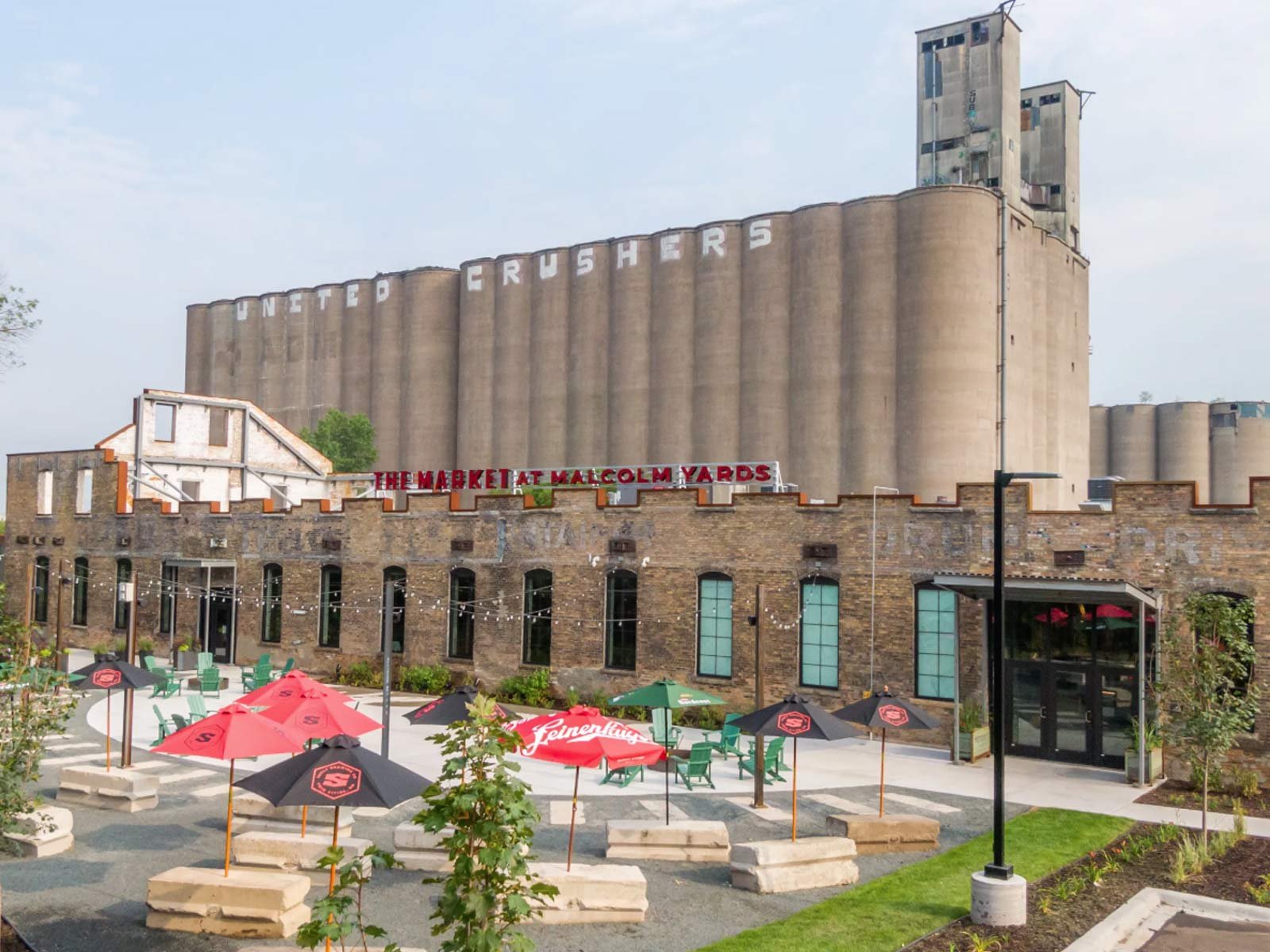
The Market at Malcolm Yards
Furnishings, finishes, FF&E project management and owner's rep for custom fabrication, interior branding and wayfinding program, installation support and follow-through for a large food and beverage project in Minneapolis, Minnesota.
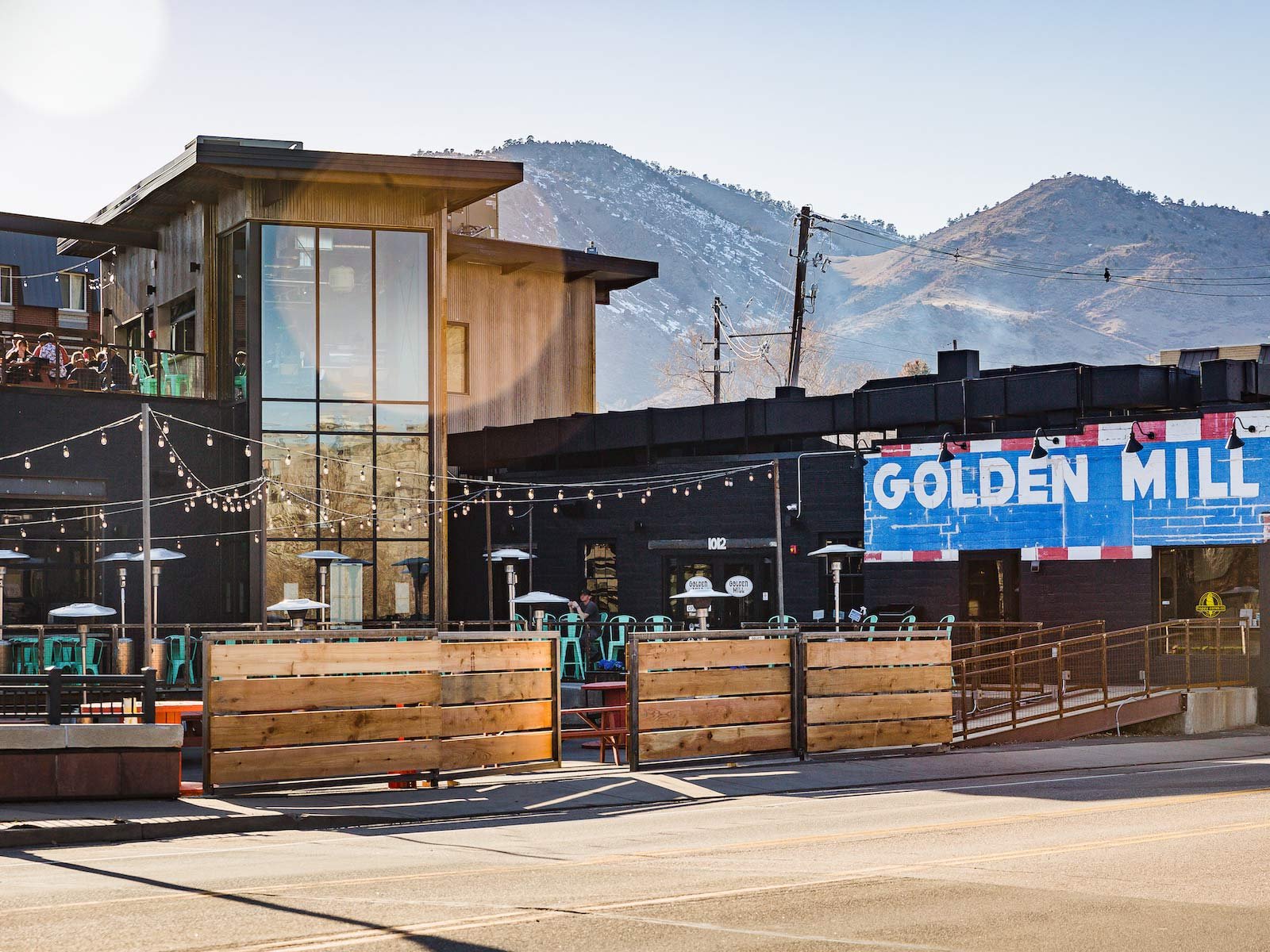
The Golden Mill
Creating a new identity and fresh food experience for a historic landmark through adaptive reuse, industrial interior branding and design built on unique,custom fabrication.
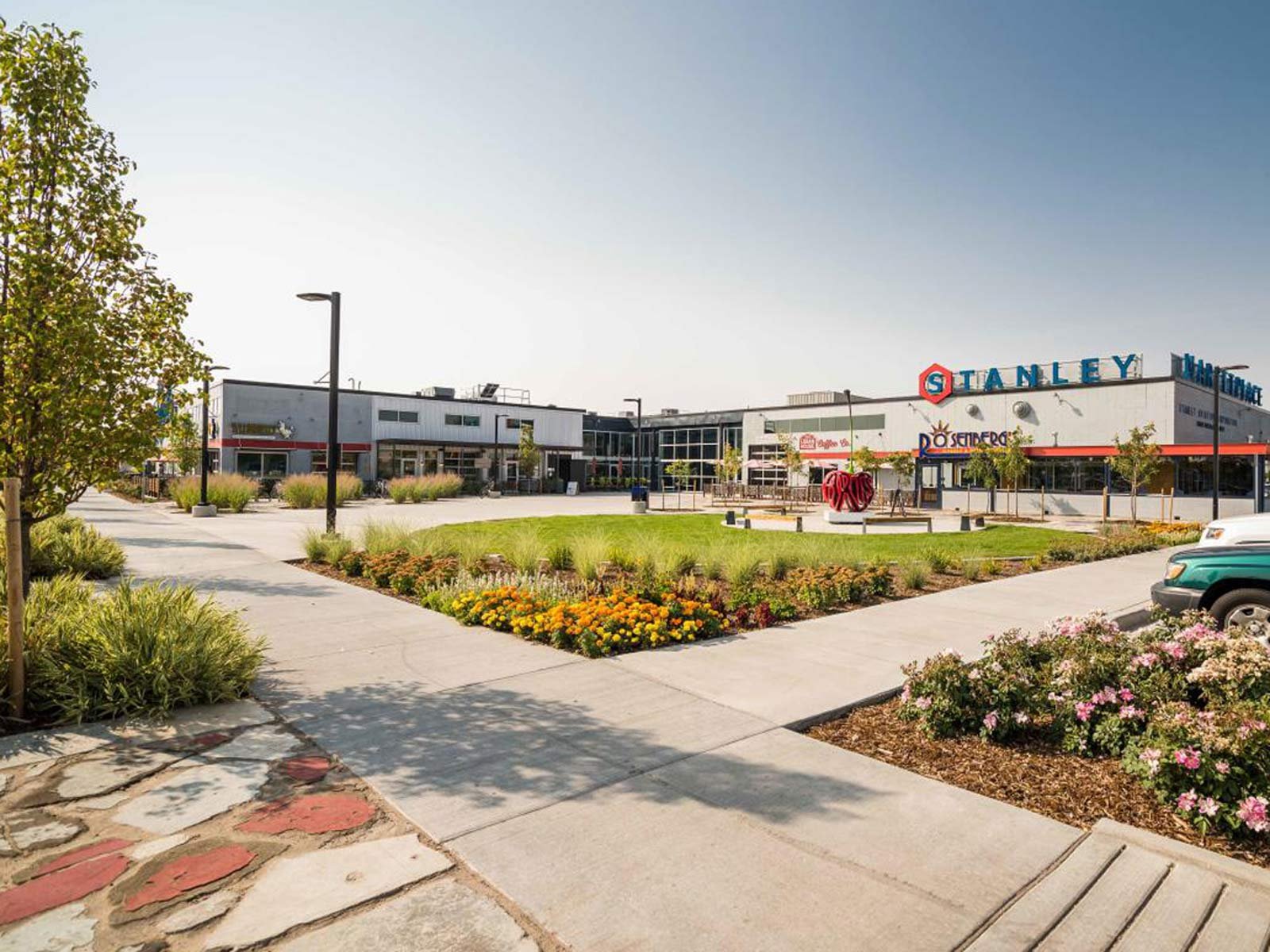
Stanley Marketplace
Brand narrative, interior identity, and digital render package for a mixed-use destination proposal.