
Build a visual identity that belongs to the place.
Sites & Space develops graphic identity as part of the physical experience—not as a separate branding layer applied after the space is designed. Typography, image, signage, wayfinding, material, color, and art direction should express the same concept as the furnishings, fixtures, products, and interior environment.
One identity across physical touchpoints
Identity becomes credible when the same design logic appears in the sign at the door, the wayfinding system, the furniture, the materials, and the smallest printed or digital touchpoint. We develop those elements as a connected visual system.
Art-making as a design method
Art-making is integral to the studio's process. Drawing, painting, collage, photography, material studies, and image-making help establish an original visual language and test ideas that conventional presentation tools cannot reach on their own.
What You Get
- Identity concepts
- Interior visual language
- Environmental graphics
- Signage + wayfinding
- Production artwork
- Art direction
- Image-making
- FF&E graphic integration
Common questions
How does interior identity differ from a conventional brand package?
Interior identity is developed for physical use. It connects typography, image, signage, wayfinding, color, material, FF&E, and custom elements so the visual language belongs to the place rather than sitting on top of it.
Related work
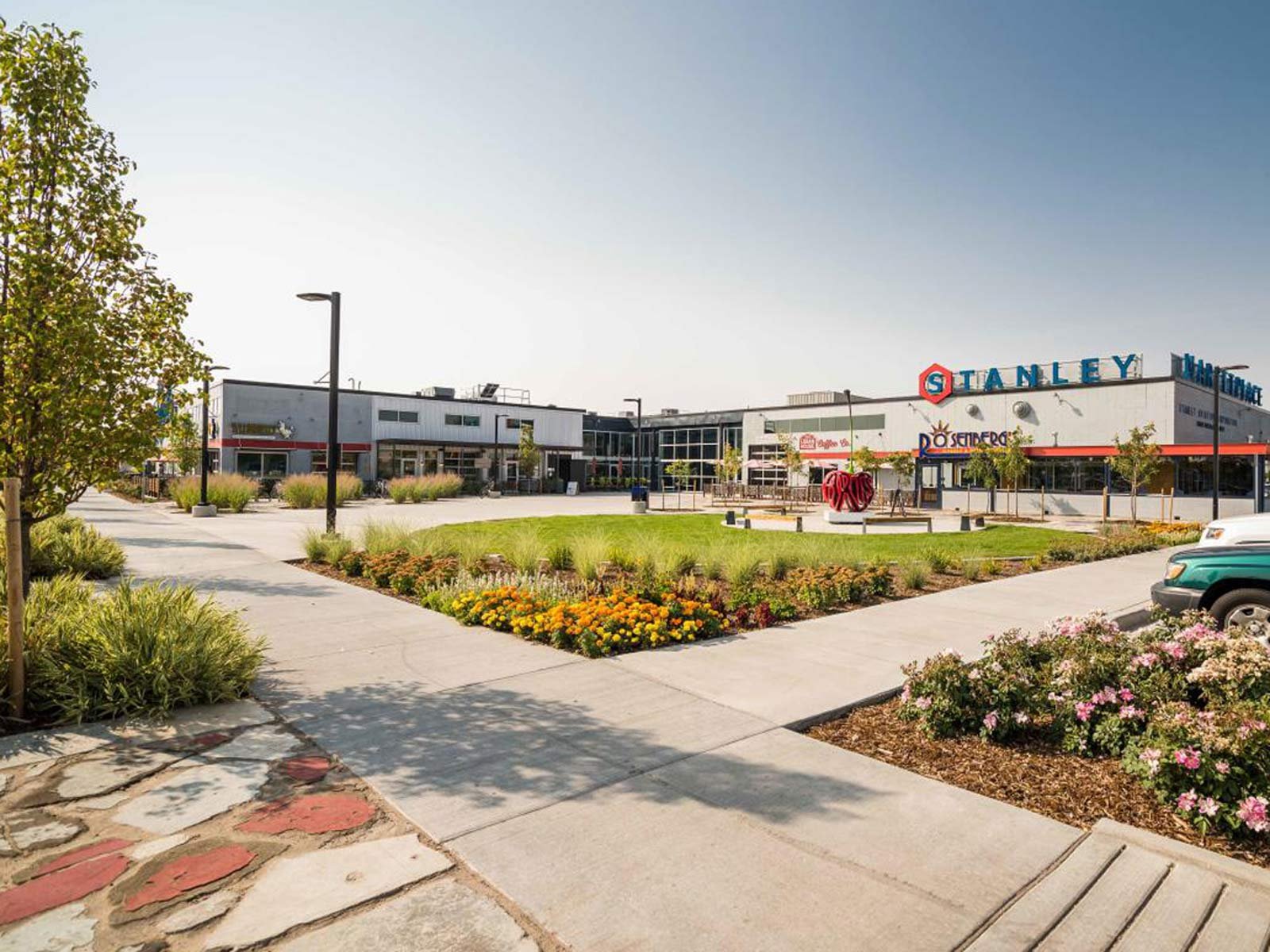
Stanley Marketplace
Creative direction, brand narrative, interior identity, renderings, wayfinding, signage, and custom fabrication developed directly with Stanley Marketplace ownership.
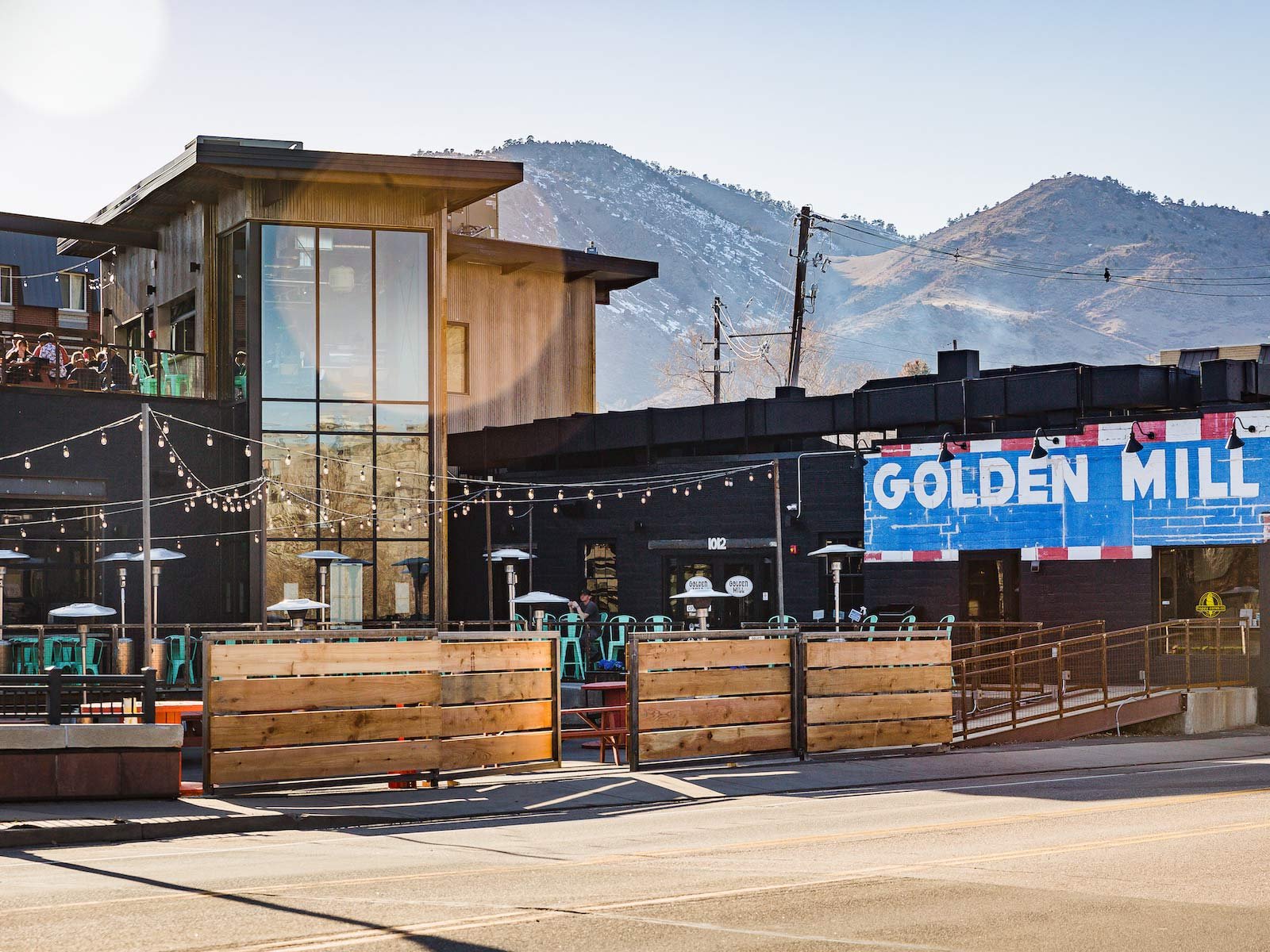
The Golden Mill
Creative direction, identity, interior branding, FF&E, space planning, custom fabrication, and a custom chandelier for a historic Golden food hall.
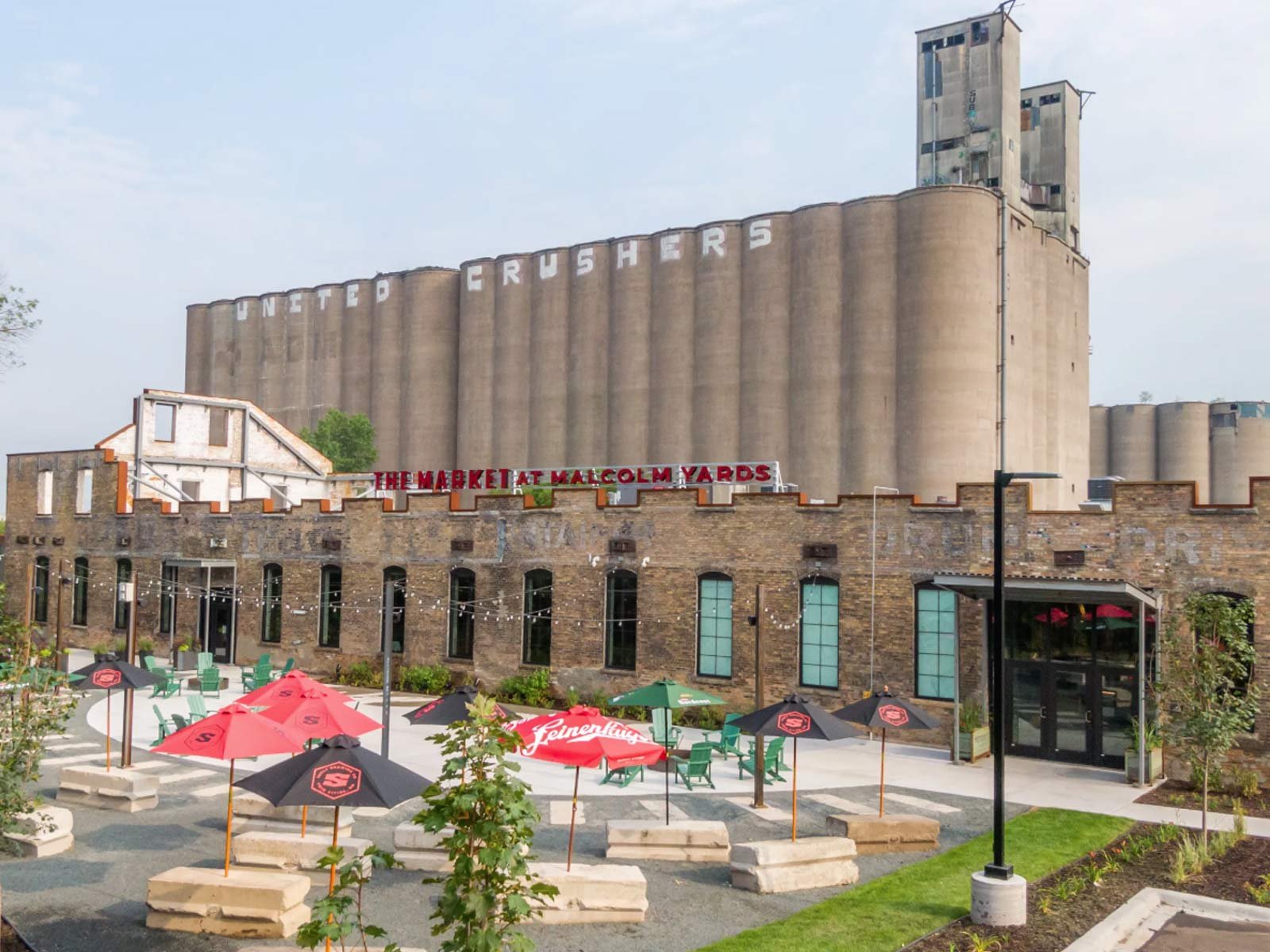
The Market at Malcolm Yards
Creative direction, furnishings and finishes, turnkey FF&E, interior branding, wayfinding, custom feature work, installation coordination, and punch review.