
On your side, from vision to keys.
An owner's representative works only for you — not the architect, not the general contractor, not the design firm billing by the hour on your project. We sit in your seat at every meeting and make sure the decisions made with your money are actually in your interest.
The problem owner representation solves
Construction and major renovation projects fail in predictable ways. Industry research consistently finds that large construction projects run materially over schedule and over budget — and those are the averages, not the worst cases. The reasons are rarely dramatic; they are structural.
Architects are trained to design, not to police vendor timelines or flag when a subcontractor’s bid is under-resourced. General contractors carry margin incentives that do not always align with yours. Design firms — even excellent ones — are not typically engaged to track whether FF&E procurement is on pace or whether the as-built work matches what you are paying for.
Nobody is deliberately working against you. The problem is that each specialist is optimized for their own scope, and someone needs to be optimized for the whole. That someone is the owner’s representative.
What we do, week to week
Owner representation sounds like a financial or legal role, but in practice it is primarily coordination and decision support. On a hospitality, food-hall, or mixed-use project, the work breaks into three phases:
- Pre-construction: review design documents for constructability and budget alignment before they go to bid; evaluate GC bids on subcontractor quality and capacity, not just price; identify the scope gaps that become expensive change orders in month three; align architect, interior designer, and branding team before anyone breaks ground.
- During construction: attend OAC (Owner–Architect–Contractor) meetings with independent notes and action logs; track RFI and submittal logs to prevent schedule drift; review pay applications against work actually completed before you sign; flag change orders that exceed scope or pricing precedent; maintain an independent budget tracker updated weekly.
- FF&E and finish: coordinate procurement schedule against substantial completion; review FF&E specifications against budget before orders are placed; manage the owner’s punch list; confirm closeout documentation (O&M manuals, as-builts, warranties) is complete before final payment.
The design-fluent advantage
Most owner’s rep firms come from construction-management backgrounds. They are excellent at schedule and budget discipline, but they often lack fluency in design — the ability to judge whether a concept rendering actually reflects the brand intent, or whether a proposed interior identity will translate to physical materials the way the renderings suggest.
Sites & Space is different. With 30+ years of industrial design and engineering experience behind every engagement, we hold design quality and financial discipline in the same frame. In hospitality and adaptive reuse, the design is the product — it determines whether guests return, whether tenants renew, and whether the property commands a premium valuation. An owner’s rep who can protect both the budget and the design intent is not the same as one who only watches the budget.
When to hire an owner’s representative
The right time to engage is earlier than most developers think. The highest-value interventions happen before construction documents are complete — during schematic design, when changes cost pennies rather than dollars. If you have a concept and a site but have not selected a design team, if you have an architect but feel uncertain how to evaluate their work, or if you have had a project go over budget before, it is time to talk.
We work most often with owners and developers on capital projects in the $2M+ range — hotel renovations, restaurant and food-hall buildouts, and mixed-use adaptive reuse — where coordination complexity rivals far larger projects but internal staff capacity to manage it is thin.
What You Get
- Independent weekly budget + schedule tracking
- Bid review and GC/vendor evaluation
- OAC meeting representation + action logs
- RFI / submittal / change-order oversight
- Pay-application review before sign-off
- FF&E procurement coordination
- Punch list + closeout management
Common questions
What does an owner's representative actually do?
An owner's representative works exclusively for the owner of a construction or renovation project. They coordinate the architect, contractor, and vendors; review budgets, bids, pay applications, and change orders; attend project meetings on the owner's behalf; and protect the owner's budget, schedule, and design intent from concept through closeout.
How is an owner's rep different from a construction manager?
A construction manager is typically engaged by or aligned with the contractor and is optimized for delivering the build. An owner's representative is engaged by and works only for the owner, with no incentive tied to the contractor's margin — their loyalty and reporting run to you alone.
Do I need an owner's representative for a project under $10 million?
Yes — owner representation is increasingly common on $2M–$10M hospitality, restaurant, food-hall, and adaptive-reuse projects. These carry the same coordination complexity as larger projects but often lack the internal staff capacity to manage it, which is exactly where an owner's rep protects the budget.
When is the best time to hire an owner's representative?
Before construction documents are complete — ideally during schematic design. The highest-value interventions happen early, when design and scope changes cost very little compared to changes made during construction.
Related work
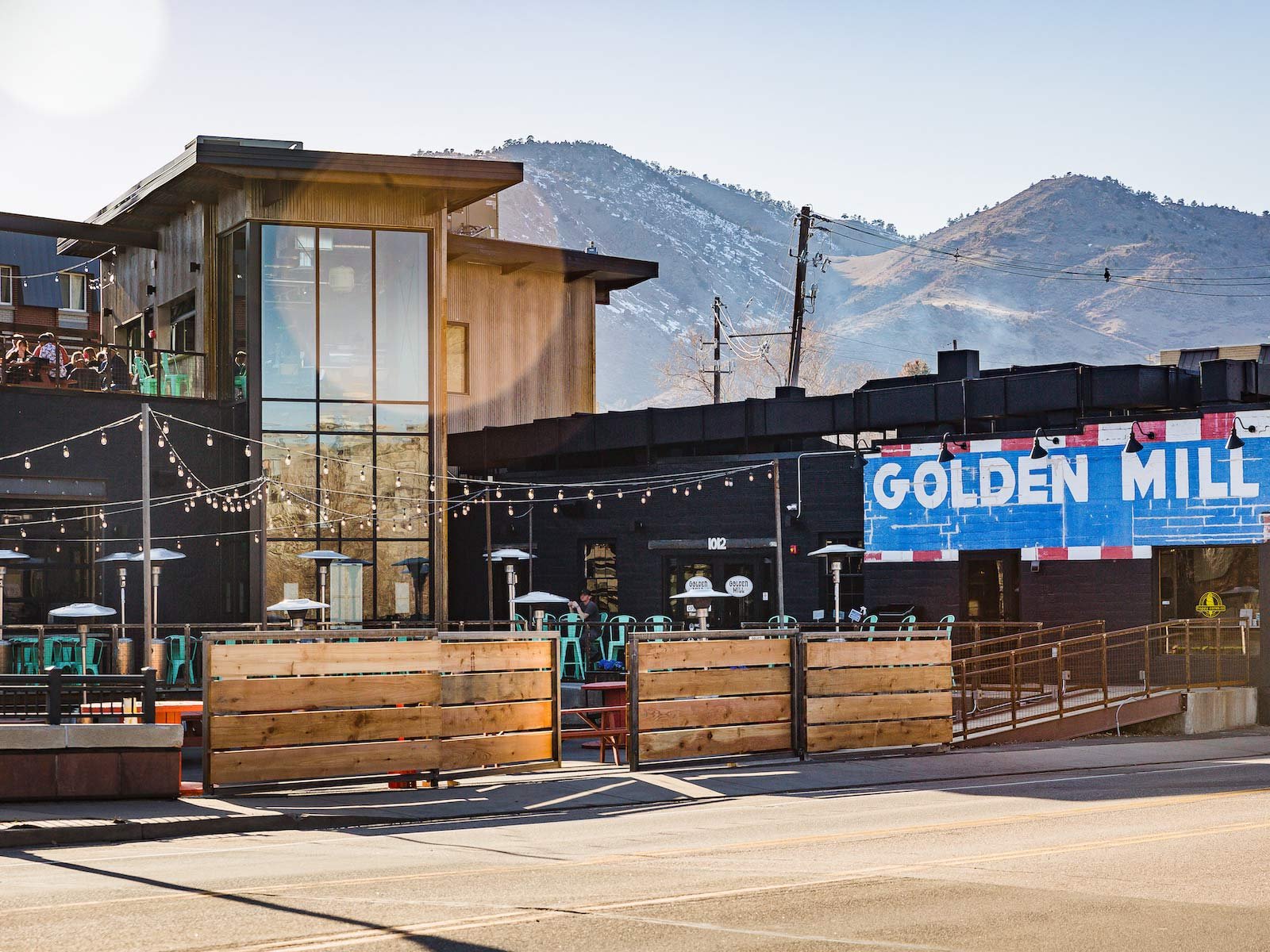
The Golden Mill
Creating a new identity and fresh food experience for a historic landmark through adaptive reuse, industrial interior branding and design built on unique,custom fabrication.
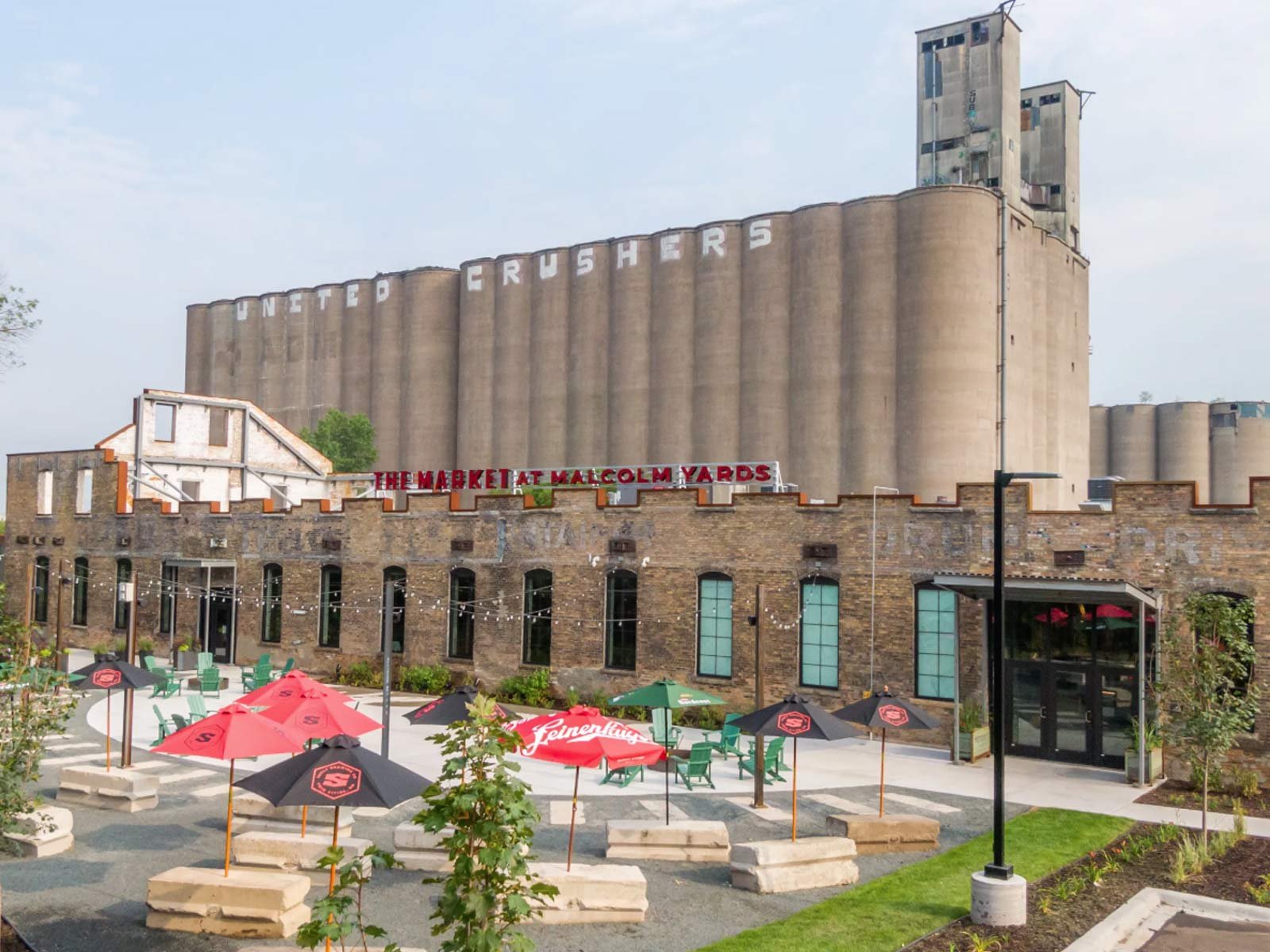
The Market at Malcolm Yards
Furnishings, finishes, FF&E project management and owner's rep for custom fabrication, interior branding and wayfinding program, installation support and follow-through for a large food and beverage project in Minneapolis, Minnesota.
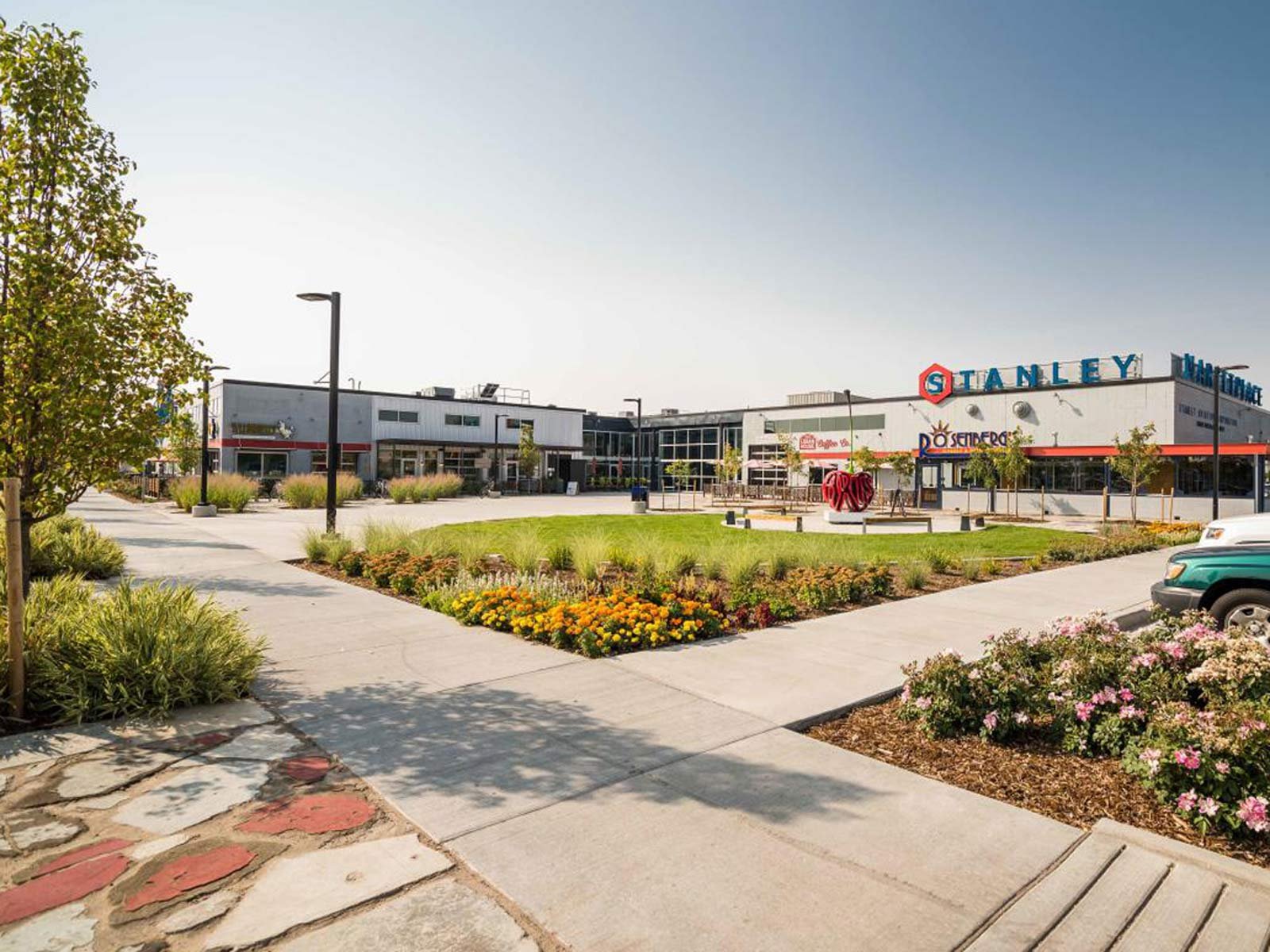
Stanley Marketplace
Brand narrative, interior identity, and digital render package for a mixed-use destination proposal.